Vretta
Protecting the Data of Children: What Really Matters?
Jana Begun
Data Protection Officer
1st October 2026
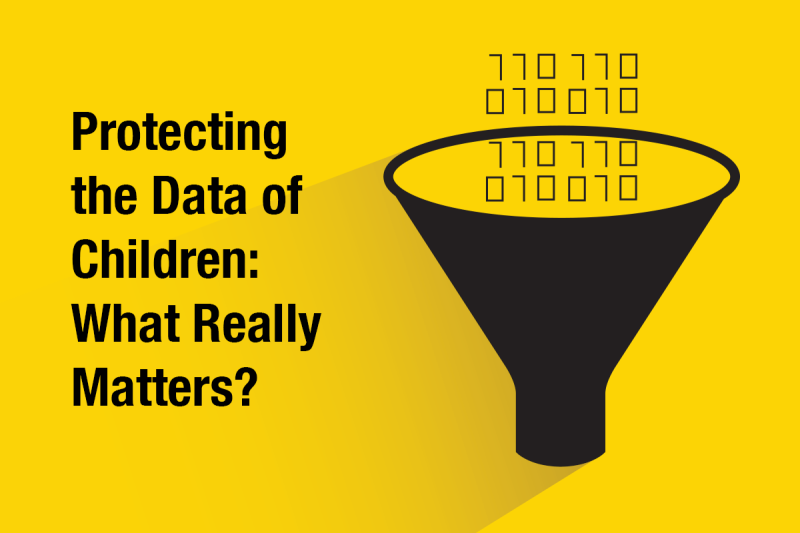
In digital learning and assessment environments, data of children requires a higher standard of care than ordinary commercial data. In most privacy frameworks, a child is generally defined as anyone under 18, though legal thresholds may vary by jurisdiction. For assessment organizations, this responsibility is especially important: beyond basic identifiers such as names, student IDs, and dates of birth, they may also process confidential information such as academic results. Even where such data is not legally classified as sensitive, it carries heightened ethical and reputational significance because it concerns children.
Three principles matter most in safeguarding children’s data in assessment platforms: collecting only what is necessary, ensuring strong compliance across people and partners, and balancing regulatory expectations with evolving technologies. Let’s examine them in detail.
To learn more about the core principles of safeguarding student privacy, including data minimization and third-party compliance—read the full article here.