
Time of Assessment: When Should Students Be Assessed?
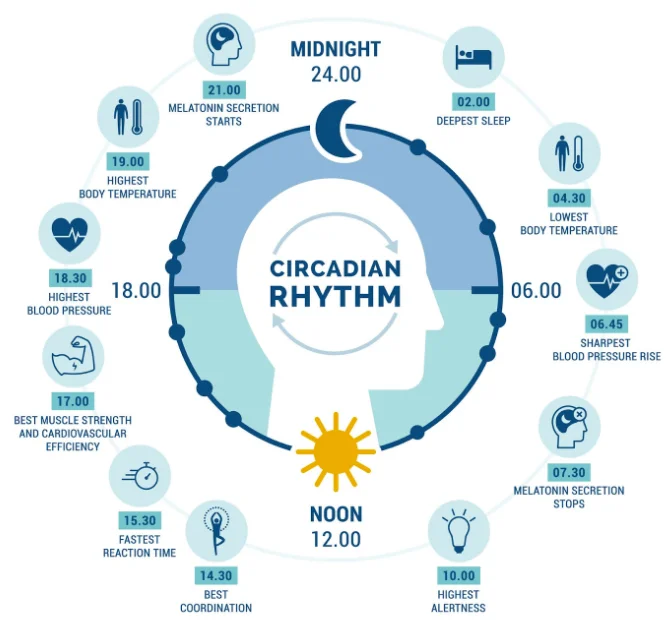
The Time of Day and High-Stake Cognitive Assessments[1] publication, from the Economic Journal of the Royal Economic Society, found that students’ performance follows an inverse U-shaped pattern throughout the day. So, this means that student performance is lowest at the beginning of the day, around 9 a.m., peaks in the early afternoon, around 1:30 p.m., and declines again to lower levels by late afternoon, around 4:30 p.m., reflecting circadian rhythms. The study also found that students taking exams in January, when there is less sunlight, are more positively impacted compared to those taking exams in May or June. In addition to the timing within a day or year, the frequency of such assessments and the length of the assessment windows are also important decisions that define how often and over what period assessments should be administered.
These findings and practical considerations have direct implications for policymakers and assessment organizations, highlighting the importance of scheduling exams during students’ cognitive peak times, accounting for seasonal variations, aligning with assessment objectives (diagnostic, formative, interim, or summative), and determining appropriate assessment frequency and windows, potentially leveraging technology.
This article explores the importance of timing in assessments, highlighting its impact on students, teachers, and the broader educational ecosystem. To learn more about these insights, read the full article here.


Join the global community advancing e-assessment through innovation, research, and collaboration.


Keep informed
This site uses cookies to monitor site performance and provide a mode responsive and personalised experience. You must agree to our use of certain cookies. For more information on how we use and manage cookies, please read our Privacy Policy.